
Navigating the landscape of property management in Colorado has evolved significantly over the last few years, introducing a higher level of operational responsibility for housing providers. The requirement to obtain and maintain a rental license has understandably caused stress among property owners. If you are a landlord looking at the long, complex guidebook provided by the city, you might feel overwhelmed by the sheer volume of requirements. The regulations can sometimes seem misaligned with the real-world realities of operating a rental property, which causes some housing providers to delay scheduling their inspections out of uncertainty or fear of failing.
However, the reality is far less intimidating than it seems on paper. The rental licensing system is fundamentally designed to act as a baseline safety check—ensuring rental housing is safe, habitable, and meets minimum housing standards. From a landlord’s perspective, passing your inspection and obtaining your license actually reduces your liability exposure and protects you against denied insurance claims due to missing basic safety measures.
If you are preparing for an upcoming inspection, the most important thing you can do is understand the criteria. Failing an inspection is not a crisis, nor is it a rare occurrence. But with the right Denver rental inspection checklist, you can prevent the most common pitfalls, save money, and get back to managing your investments.
Need to schedule your inspection or want us to handle the complex application process for you? Save yourself the headache and ensure your property is compliant. Book your Denver Inspection Services today and let a fellow landlord help you navigate the process seamlessly.
To help you secure your four-year rental license smoothly, let’s explore the top five reasons properties fail their inspections and exactly what you can do to pass on the very first try.
1. Missing, Expired, or Improperly Placed Smoke and Carbon Monoxide Alarms
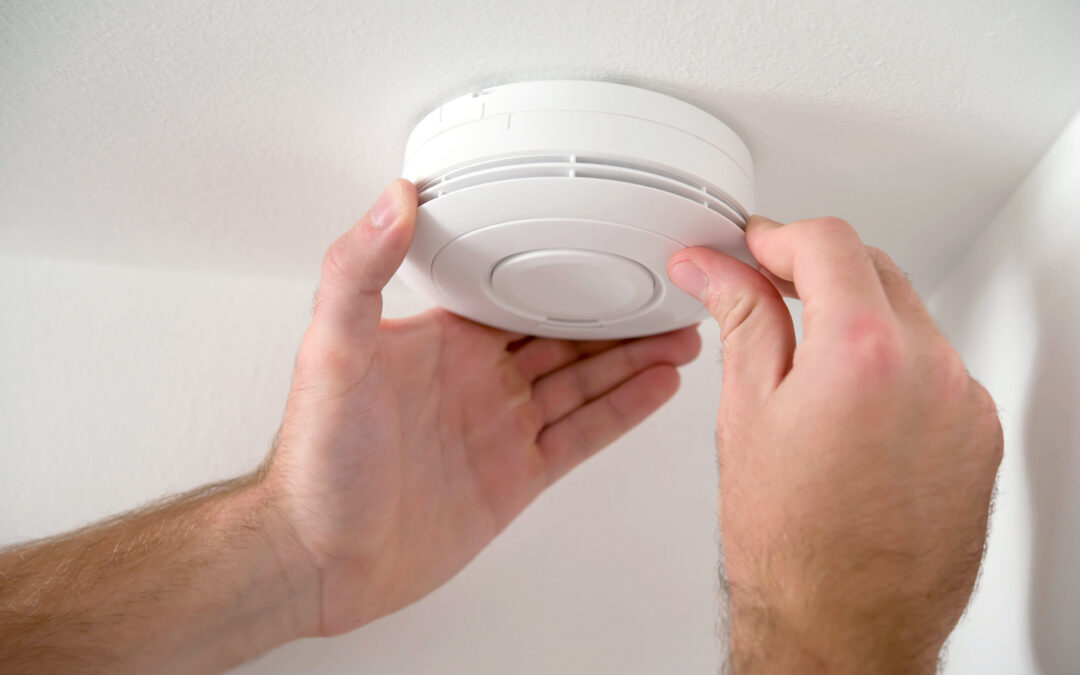
By far, the most common reason a rental property fails an inspection comes down to life-safety alarms. It sounds incredibly simple, but the rules surrounding smoke and carbon monoxide (CO) alarms are specific, strictly enforced, and constantly affected by tenant behavior. A significant portion of these failures actually arise during a tenancy because tenants remove alarms, take out the batteries when they chirp, or discard them completely (especially common with the sealed battery alarms). Despite this being a tenant behavior issue, the landlord is ultimately held responsible for the correction.
The Requirements:
- Placement: You must have a smoke alarm installed on the inside of every single bedroom. Furthermore, you must have a combination smoke and CO alarm (or one of each) placed in the hallway, within 15 feet of the bedroom doors, on every single level of the home. If the room features a ceiling fan, the alarm must be positioned at least 3 feet away from the edge of the fan blades, or the farthest possible distance allowed by the room’s footprint.
- Expiration Dates: Alarms cannot be older than 10 years. Even if you press the test button and the horn sounds, this only verifies that the speaker works, not that the internal sensor can still reliably detect smoke. If an alarm lacks a printed manufacture date, it is generally deemed too old.
How to Pass: When preparing your Denver rental inspection checklist, physically check the back of every single alarm in the unit. Invest in high-quality, reputable national name brands rather than ultra-cheap online knockoffs that may lack regulatory oversight. Remember, a functioning alarm is what stands between you and tens of thousands of dollars in liability damages.
2. Inadequate or Missing Fire Extinguishers
Another incredibly frequent failure point is the lack of a proper, functional fire extinguisher. Many landlords assume that providing a fire blanket is enough, but fire blankets do not replace fire extinguishers or fulfill the city’s code requirements.
The Requirements:
- Every single-family house needs a dedicated residential fire extinguisher.
- For apartments and multi-family units, the requirements are stricter. These buildings require a fire extinguisher with a minimum rating of 2A:10BC. These can be shared in common hallways provided they are located within 75 feet of the apartment unit doors they serve.
- The extinguisher must be fully charged at the time of the inspection. The pressure gauge on the top of the canister must clearly show the needle in the green zone.
How to Pass: Fire extinguishers generally have a reliable lifespan of about six years. Check the date of manufacture, which is typically stamped on the bottom of the canister or printed on the right side of the label.
3. Lack of GFCI Electrical Protection in Bathrooms
Water and electricity are a dangerous combination, which is why Ground Fault Circuit Interrupter (GFCI) protection is a major focus during the inspection process.
The Requirements: Every bathroom in the rental unit must have GFCI electrical protection. A common point of confusion for landlords is assuming a bathroom lacks protection simply because the outlet itself doesn’t have the standard “Test/Reset” buttons. The truth is that in many modern homes, multiple bathroom outlets are tied to a single GFCI receptacle located in just one of the bathrooms. Often, in a post 1990’s home, you are covered even if you don’t see the Test/Reset buttons on every bathroom outlet.
However, in older properties—such as historic Victorian homes common in Denver—bathrooms may lack outlets entirely, or feature a non-GFCI protected outlet built directly into the light fixture above the sink. This is considered a significant safety hazard, as dropping a plugged-in appliance into a sink full of water without GFCI protection could lead to a severe incident.
How to Pass: Purchase a simple $9 GFCI plug tester from any hardware store to validate that your bathroom outlets are properly protected. If you own an older home where the light switch is inside the bathroom but there are no outlets, the most cost-effective compliance option is often having an electrician install a combination GFCI outlet/switch inside the existing single-gang electrical box.
4. Heating, Mechanical, and Water System Deficiencies
The physical habitability of the property relies heavily on its mechanical systems. The inspection ensures that the unit can be adequately heated during Colorado’s harsh winters and that water systems are functioning safely.
The Requirements:
- Hot Water: The property must be capable of providing hot water at a minimum of 110 degrees Fahrenheit.
- Venting and Combustion: Gas fired water heater safe venting is verified. Gas-burning devices located in a bedroom or a bedroom closet pose an inherent risk of Carbon Monoxide poisoning. In these specific situations, requirements for solid core or fire-rated doors featuring smoke seals (weatherstripping) are validated.
- Basement Units: For Denver specific properties, basement apartments must have gas burning appliances located outside a bedroom, or be subject to additional requirements pertaining to doors separating the sleeping area from gas fueled appliances. Additionally, below-grade units are scrutinized for moisture intrusion and leaks.
5. General Safety Hazards and “The Little Things”
Often, properties pass the major mechanical and life-safety checks but fail due to simple, easily overlooked general hazards. The city’s goal is to ensure a safe environment, particularly for vulnerable tenants like children.
The Requirements:
- Electrical Panel Safety: The electrical panel must not have any blank spaces where a breaker was removed, leaving the electrified interior accessible. The inspector’s rule of thumb: an electrical system should be secure enough that a curious child with a metal fork cannot access energized components. Breaker blank fillers are inexpensive and snap into place, making this an easy fix.
- Trip Hazards: Extension cords running continuously from one room to another are not permitted. Walking surfaces and exterior wooden stairs must be structurally stable.
- Sanitation and Pest Control: There must be no holes in the walls or ceilings, as these allow the elements in and provide pathways for pest intrusion. Any signs of rodent or insect infestations will require pest management treatment.
How to Pass: Walk through your property looking for the little details. If missing any breakers, buy a pack of plastic breaker filler plates for ~$6 on Amazon and snap them into any empty slots in your electrical panel. Ensure all outlet and switch covers are in place. Check that exterior doors and windows seal against the weather.
The 30-Minute Pre-Inspection Walkthrough Strategy
A brief walkthrough using a focused Denver rental inspection checklist several days before your scheduled appointment can prevent almost all delays.
If you manage an established, well-maintained community, you might opt to inspect units just prior to the official visit. One of the best strategies for large apartment complexes is to have a maintenance technician trailing the inspection team. Because the most common non-compliances involve missing smoke alarms or dead batteries, a trailing maintenance person can rapidly address these items on the spot, preventing a formal failure and the need for a reinspection.
For single-family landlords, try sending a brief pre-inspection questionnaire to your tenants to ask if their alarms are chirping, if their bathroom outlets work, or if they have noticed any pest issues. This reduces surprises on inspection day.
A Note on the Licensing Application Process
Once you have successfully passed your inspection, the work isn’t quite done. In Denver, the rental license application must be submitted within 90 days of the inspection, or you will be forced to pay for an entirely new inspection.
It is important to know that the Denver licensing application is notoriously complex. Modeled after the city’s marijuana dispensary application system, it involves four separate, time-consuming components: the Application Package, the Licensed Entity, the Licensed Establishment, and the Residential Rental License. Many first-time applicants report spending 3 to 4 hours struggling with the city’s portal, dealing with hidden pitfalls and frustrating rejections.
Don’t risk letting your 90-day window expire. Let us handle the bureaucracy for you. We offer comprehensive Denver Licensing Application assistance to file your paperwork correctly the first time, saving you hours of frustration.
Final Thoughts: Predictability Over Urgency
A non-passing inspection is not uncommon and should never be viewed as a crisis. What matters most is having a clear path to resolution. When you work with a landlord-focused inspector, the goal is not to punish you with fees and re-inspections, but to act as a cost-conscious consultant who coaches you on how to meet the codes effectively. In fact, if corrections are needed, they can frequently be verified via a simple time-stamped photo from your phone, saving you from a costly reinspection trip.
To ensure the smoothest process possible, aim to schedule your inspection 60 to 90 days before your compliance deadline. This avoids the seasonal bottlenecks that occur at the end of the year and gives you plenty of operational flexibility to handle any minor corrections.
For more answers to common questions about the licensing rules, check out our comprehensive Denver & Boulder Rental Licensing FAQ. If you are ready to get compliant and secure your four-year license with zero drama, contact Rental Inspections LLC today to book your appointment!